
Poultry Nutrition
Poultry nutrition is the cornerstone of healthy growth, high productivity, and sustainable farming. At BioZoologica, we explore scientifically proven feeding strategies to meet the precise nutrient needs of broilers, layers, and breeders. Our content covers energy, protein, vitamins, minerals, and functional feed additives to enhance performance and disease resistance. By combining innovative research with practical farm solutions, we aim to bridge the gap between science and field application. From small-scale flocks to commercial poultry enterprises, BioZoologica is your trusted source for reliable and up-to-date poultry nutrition knowledge
The Science of Dairy Animal Nutrition: Strategic Feeding for Optimized Milk Yield and Herd Health
Introduction: The Critical Role of Dairy Animal Nutrition and Feeding Strategies The successful operation of a modern dairy farm is fundamentally dependent on the strategic and precise feeding of dairy animals. In today’s high-stakes environment, nutrition is no longer a matter of simply filling the feed bunk; it is a sophisticated, data-driven discipline that directly…
Techniques for estimating the nutritive value of feedstuffs
Latest techniques for estimating nutritive value of feedstuffs, with how they work, strengths, and challenges. These reflect both incremental improvements on classic methods and newer approaches. A. Emerging & Improved Laboratory / Analytical Techniques B. Applications & Case Examples (Recent Studies) C. Comparison: Validity & When to Use Which Technique Technique Best Use / Good…
Essential minerals their types, and their role in animal nutrition
Essential Minerals in Animal Nutrition Minerals are inorganic elements vital for maintaining animal health, productivity, and reproductive efficiency. They play structural, physiological, catalytic, and regulatory roles in metabolism. 1. Classification of Essential Minerals Category Minerals Included Required Level Macrominerals (Major Elements) Calcium (Ca), Phosphorus (P), Sodium (Na), Chlorine (Cl), Potassium (K), Magnesium (Mg), Sulfur (S)…
Historical Perspective of Minerals and Vitamins in Animal Nutrition
Early Observations (Ancient to 18th Century) Discovery of Minerals in Animal Nutrition (18th–19th Century) Emergence of Vitamin Research (Early 20th Century) Integration into Animal Nutrition (1930s–1960s) Modern Applications (1970s–Present) The history of minerals and vitamins in animal nutrition reflects a journey from empirical observation (salt licks, ash feeding) to modern precision nutrition. Early discoveries established…
Evaluation of different types of layer feeds
Types of Layer Feeds Nutrient Evaluation Feed Formulations Evaluation Methods 5. Practical Considerations In summary: Evaluation of layer feeds involves assessing nutritional adequacy, feed form, performance outcomes, egg quality, economic viability, and adaptability to local farming systems.
Breeder (Pre) and Layer Breeder Nutrition
Pre-Breeder and Layer Breeder Nutrition Importance of Breeder Nutrition Breeder hens (both pre-breeders and layers) play a critical role in poultry production since their nutrition directly affects egg quality, hatchability, fertility, and chick viability. Properly formulated diets must balance energy, protein, essential amino acids, minerals, vitamins, and functional additives to support reproductive performance and long-term…
Role of Feed Additives in Layer Feeds
Feed additives are non-nutritive substances included in poultry diets to improve productivity, health, feed efficiency, and egg quality. In layer production, where both bird performance and product quality directly affect profitability, feed additives play a crucial role in achieving optimal outcomes. They serve multiple functions, ranging from nutrient utilization to disease prevention and egg enrichment….
Nutritional Management of Layer Poultry During Monsoon Weather
Challenges in Monsoon Weather High humidity (60–90%) reduces feed intake and increases mold growth in feed. Temperature fluctuations cause stress, affecting feed conversion and productivity. Poor feed storage conditions promote fungal growth, leading to mycotoxin contamination. Electrolyte imbalance due to heat and humidity causes reduced egg production. Increased disease risk (coccidiosis, respiratory infections, mycotoxicosis). Birds…
Nutritional Management of Broilers During Monsoon Weather
1. Introduction The monsoon season in Pakistan (July–September) brings high humidity, heavy rainfall, and fluctuating temperatures. These conditions increase the risk of feed spoilage, mycotoxin contamination, heat stress, and disease outbreaks in broilers. Optimal nutritional management during this period is critical to maintaining growth performance, feed efficiency, and flock health. 2. Challenges of Monsoon Feeding…
Sodium, Chloride, Potassium, Magnesium, Manganese, and Electrolyte Balance in Poultry and Animals
1. Sodium (Na) Functions Metabolism Practical Requirements (typical ranges) Deficiency Excess / Toxicity Major Dietary Sources Interactions Practical supplementation notes 2. Chloride (Cl) Functions Metabolism Practical Requirements (typical ranges) Deficiency Excess / Toxicity Major Dietary Sources Interactions Practical supplementation notes 3. Potassium (K) Functions Metabolism Practical Requirements (typical ranges) Deficiency Excess / Toxicity Major Dietary…
Nutrition of Layer
· Feed additives · Nutritional deficiencies and diseases · Anti-nutritional factors · Hot climate feeding management · Pre-breeder and breeder nutrition · Separate sex feeding Role of feed additives in layer feeds Enzymes: Phytase (1000–2000 FTU/kg) reliably improves P availability and supports performance; carbohydrases (xylanase, β-glucanase) enhance energy yield in wheat/barley diets. Probiotics/prebiotics (Lactobacillus, Bacillus,…
Nutrition of layer
. Nutrient requirements of commercial and breeder layers · Feeding programs in brooding, growing, and laying phases · Feed restriction · Egg quality and production factors · Mineral and amino acid-energy ratios Nutrient requirements of commercial and breeder layers Modern commercial layers require diets formulated to meet their energy intake, digestible amino acids (AA), and…
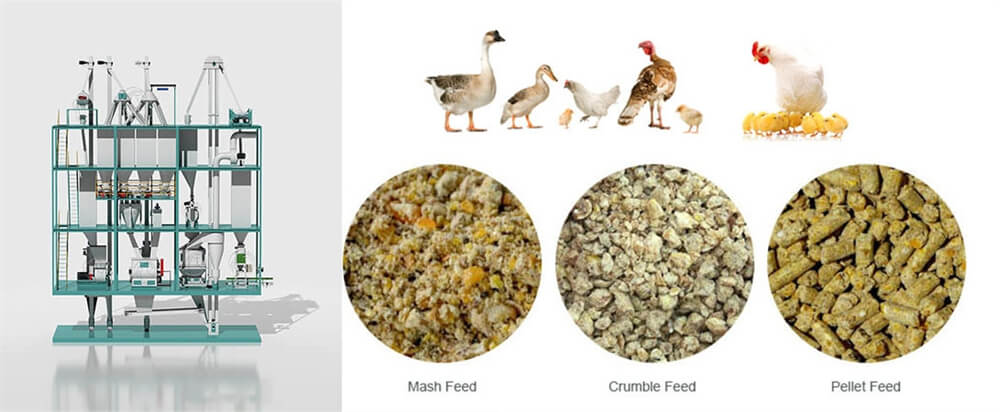
Steps for better feed formulation for rumminants
Steps for better feed formulation for ruminants involve creating a balanced diet that meets the nutritional requirements of the animals based on factors such as age, weight, physiological status, production goals, and available feed ingredients. Here are the general steps for feed formulation of ruminants: 1. Identify Nutritional Requirements: 2. Assess Available Feed Ingredients: 3….
- 1
- 2